How to Use a State Pest Control Directory to Find Licensed Pros
@statepestcontroldirectoryplus
October 31, 2026 · 7 min read
Finding a reliable pest control company can feel like a shot in the dark. You search online and see dozens of names, but how do you know which ones are actually licensed, insured, and qualified to handle your specific problem? That is where a good state pest control directory becomes your most practical tool. These directories, maintained by state pesticide regulatory agencies, list every company and individual who holds a current pesticide license in that state. They cut through the noise and give you a real starting point.
I have spent years working alongside pest control operators and regulators, and I can tell you that the difference between a licensed professional and someone who just bought a spray rig is enormous. A licensed exterminator has passed exams, completed continuing education, and carries insurance. An unlicensed operator may cut corners on safety, use the wrong product for the job, or leave your family exposed to unnecessary risks. That is why starting your search with a state pest control directory is not just convenient, it is smart.
What You Will Find in a State Pest Control Directory
Every state runs its own pesticide regulatory agency, often housed under the department of agriculture or environmental protection. These agencies keep a public database of everyone who holds an active pesticide applicator license. When you look up a company in the directory, you can usually see the license number, expiration date, and the categories of pest control they are authorized to perform. Some states even list disciplinary actions or complaints, which is gold when you are screening a local pest control company.
The scope of a state pest control directory covers everything from structural pest control to termite treatment and bed bug extermination. It also includes fumigation specialists, mosquito control operators, and providers of green pest control services. If a company offers Integrated Pest Management (IPM) services, the directory will often note that as well. The point is, you are not just getting a name and phone number. You are getting a verifiable record of professional standing.
Why Relying on a Directory Beats Blind Searching
Search engines and review sites have their place, but they are not curated for licensing. A company with a five-star rating may still be operating without a valid pesticide license, or worse, with a suspended one. I have seen cases where a highly rated pest control service was using restricted-use pesticides without proper certification, putting children and pets at risk. A state pest control directory does not care about marketing budgets or SEO. It only shows you who is legally allowed to do the work.
Another advantage is accuracy. When you find a company through the directory, you know their official business name and address. That matters if you need to verify insurance or file a complaint later. Many pest control operators operate under multiple brand names, but the directory lists the legal entity behind the license. That transparency helps you avoid fly-by-night operations that change names every time they get a bad review.
How to Use the Directory Effectively
Start by going to your state pesticide regulatory agency website. The exact name varies by state, but it is usually something like "Department of Agriculture" or "Department of Environmental Protection." Look for a link that says "License Lookup" or "Pesticide Applicator Search." That is your entry point to the state pest control directory. Once you are in, search for the company name you are considering. Verify that their license is current and covers the type of work you need.
If you are dealing with termite treatment, for example, make sure the company holds a license for structural pest control or fumigation, depending on the method. For bed bug extermination, check that they have the appropriate category for indoor pest management. Some states have separate licenses for mosquito control and rodent control, so verify those too. Do not assume that a license for general pest control covers every service. The categories matter.
Cross-Reference with Other Information
Once you confirm a company is licensed, use the directory to find their official contact details. Then call them directly. Ask about their experience with your specific pest issue, their approach to pest management plans, and whether they follow Integrated Pest Management principles. A reputable pest control operator will be happy to explain their methods and show you their pest certification documents. If they hesitate or dodge the question, that is a red flag.
I also recommend checking whether the company belongs to professional organizations like the National Pest Management Association. Membership there indicates a commitment to industry standards and continuing education. It is not a replacement for a valid state license, but it is a good sign that the company cares about quality.
When the Directory Reveals Problems
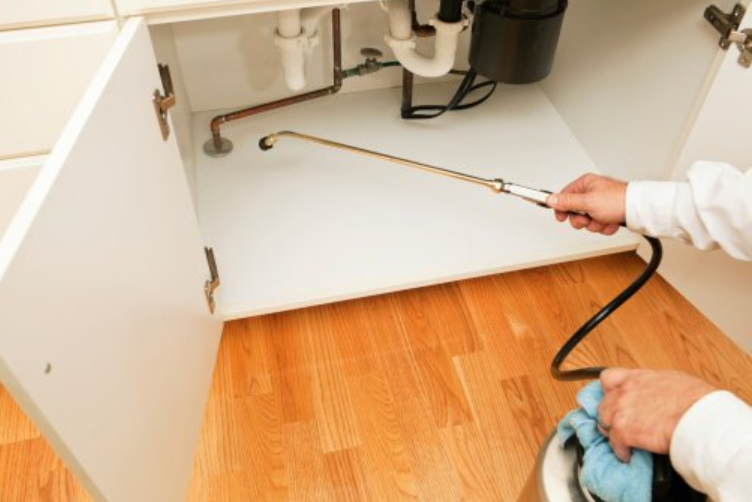
Sometimes a search in a state pest control directory turns up something unexpected. Maybe the license has expired, or the company has a history of violations. Do not ignore that information. If a company has had multiple complaints about improper pesticide application or failure to follow safety protocols, look elsewhere. There are plenty of licensed professionals who take their responsibilities seriously.
On the other hand, do not assume that a clean record means perfect service. The directory is a starting point, not a guarantee. Pair it with personal references, written estimates, and a clear contract. A good pest control service will provide a detailed pest inspection before recommending any treatment. They will also give you a written pest management plan that outlines the steps, products, and follow-up visits. If a company tries to sell you a treatment without inspecting the property first, that is another red flag.
Special Cases: Green Pest Control and Specialty Services
If you prefer green pest control methods, the directory can help you find companies that offer those options. Some states list the types of pesticides a company is authorized to use, which can give you a clue about their approach. However, the term "green" is not regulated, so you will need to ask detailed questions. A licensed pesticide applicator who uses IPM techniques will often rely on non-chemical strategies first, such as sealing entry points, removing food sources, and using traps. Chemical treatments are used only when necessary, and then with the least toxic options available.
For specialty services like fumigation or large-scale mosquito control, the licensing requirements are even stricter. Fumigators need specific training because the chemicals they use are highly hazardous. Mosquito control operators must understand mosquito biology, resistance management, and environmental protection. A state pest control directory will show you which companies hold those specialty endorsements, so you do not waste time calling the wrong people.
Keeping Your Options Open
Once you have a short list of licensed companies from the directory, get at least three quotes. Prices can vary widely based on the severity of the infestation, the size of your property, and the treatment method. But do not make price your only factor. The cheapest bid often skips steps like proper pest inspection or follow-up visits. A reputable exterminator will explain what they are doing and why, and they will stand behind their work.
Also, remember that a pest control service is a partnership. You have responsibilities too, such as keeping the property clean and sealing entry points. The best results come when you and the pest control operator work together following a solid pest management plan. The directory helps you find a partner who is qualified, but the rest depends on communication and follow-through.
In my experience, the people who take the time to use a state pest control directory end up happier with the outcome. They avoid the headache of hiring someone who cannot legally do the job, and they gain peace of mind knowing the work meets state standards. Whether you need rodent control, bed bug extermination, or a comprehensive pest management plan, starting with the directory saves time and reduces risk.
So before you pick up the phone or click "book now," spend ten minutes on your state pesticide regulatory agency website. Look up the companies you are considering. Verify their pesticide license and check for any disciplinary history. That small investment of time can make a big difference in the quality and safety of the pest control service you receive.